
The Longevity Leaders: Best Phones for Long-Term Use and Value in 2026
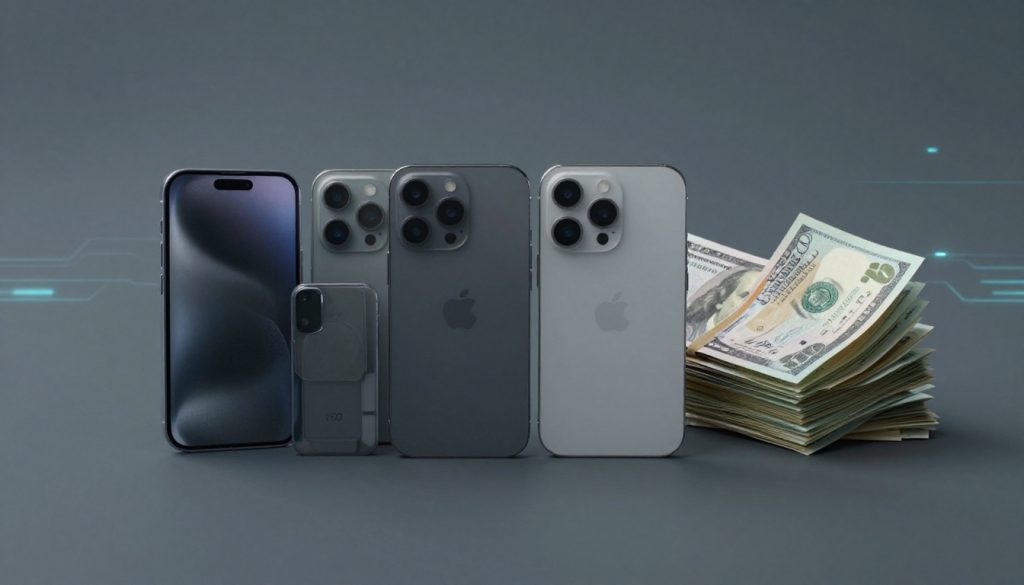
In 2026, phones cost a bundle. Premium models hit $1,200 easy. Folks toss old ones fast, adding to e-waste piles. The UN says we ditch 62 million tons of electronics yearly. That’s bad for the planet. Smart buys now mean phones that stick around. They save cash and cut trash. This guide picks the best phones for long-term use in 2026. We look at updates, durability, and value for money. Pick right, and your device lasts years without frustration.
Key signs of a solid pick include strong software support. That keeps things safe and fresh. Battery health matters too. It holds charge over time. Hardware toughness rounds it out. No cracks or lags after drops.
The Crucial Metrics for Five-Year Phone Ownership
Think about owning a phone for five years. What makes it work well? We break down the big factors. These guide your choice for lasting value.
Software Update Commitment: The Lifespan Extender
Phone makers promise updates. Google and Samsung lead with seven years of OS and security patches for 2026 flagships. Apple matches that for iPhones. Others like OnePlus offer five years. After three years, new features fade. Security patches matter most. They block hacks and keep data safe.
Missed updates mean risks. Your phone slows or gets vulnerable. Stick to brands with long promises. Check the fine print on new models. It pays off big.
Battery Health Retention and Replaceability
Batteries wear out. Modern phones use smart chips to slow that. They limit charge to 80% overnight. Expect 80% capacity after three years on top models. In 2026, few have user-swappable batteries. Fairphone leads with easy fixes. Most need shop visits, costing $100 or so.
You can help. Charge to 80% daily. Avoid heat. Use wireless pads sparingly. These steps stretch life to four years easy.
Build Quality and Durability Ratings
Tough materials shine in 2026. Gorilla Glass Victus 3 covers screens. Titanium frames on flagships resist bends. IP69 ratings beat water and dust better than old IP68.
Mid-range phones use plastic backs. They dent easier but hold up for drops. Look for MIL-STD-810 tests. Those prove real-world grit. A sturdy build means fewer repairs.
Flagship Contenders Built to Last (Premium Investment Analysis)
Flagships cost more upfront. They deliver years of top performance. Let’s see why they top lists for long-term use.
The Longest Software Support Tier
Samsung and Google top the chart. Their Galaxy S28 and Pixel 11 get seven years of updates from launch. Real tests show older Pixels still zip in year five. No bloat slows them down.
Apple’s iPhone 18 follows suit. It runs smooth on iOS 20 in 2026. Past models prove it. iPhone 14 from 2022 handles apps fine now. Pick these for peace of mind.
Premium Component Resilience (Camera and Charging Tech)
Displays with 120Hz refresh stay crisp. They don’t flicker after years. Cameras on flagships pack extra lenses. That means sharp shots even as software ages.
Charging ports wear from plugs. USB-C 4.0 on new models lasts longer. Overbuilt specs give buffer. Your phone feels new in 2030.
Total Cost of Ownership (TCO) Breakdown for Flagships
Buy a $1,100 Galaxy S28. It lasts five years. That’s $220 per year. Upgrade yearly? Spend $1,100 each time. Over five years, that’s $5,500.
Resale helps. After three years, sell for $400. Net cost drops to $140 yearly. Flagships hold value best. Mid-range fades faster.
- Yearly cost for five-year phone: Low due to durability.
- Annual upgrade: High waste and expense.
- Resale bonus: Boosts value for money.
Mid-Range Marvels: The Best Value for 3+ Years
Not everyone needs flagship power. Mid-range options shine for value. They balance cost and lasts.
Durability Meets Affordability: The Sweet Spot
The Nothing Phone 3a costs $500. Its aluminum frame takes hits. Reviews praise it after two years. No screen cracks reported much.
Google’s Pixel 8a follows. At $550, it has solid glass and IP67 rating. Users say it feels premium. Battery holds 85% capacity in year three.
OnePlus Nord 4 rounds it out. $450 gets you a tough build. It survives drops from waist height. Great for daily drivers.
The Security Update Gap: Risk Mitigation Strategies
Mid-range gets four years of support. After that, risks rise. Custom ROMs like LineageOS extend life. They add security without stock updates.
Use apps like VPNs for extra protection. Avoid sketchy downloads. If support ends early, trade up. Don’t push too far.
Performance Headroom: Selecting the Right Chipset
Old flagship chips in mid-range rock. The Snapdragon 8 Gen 2 in 2026 mid-rangers handles AI tasks smooth. It beats new budget chips for future apps.
Avoid weakest processors. They lag on updates. Pick ones with 8GB RAM minimum. That ensures smooth sailing for three years.
- Check benchmark scores before buy.
- Look for expandable storage.
- Test in-store for feel.
Ecosystem Lock-In vs. Openness for Longevity
Your phone ties into life. Ecosystems affect how long it lasts. We compare big players.
Apple Ecosystem: Optimized Longevity vs. Upgrade Pressure
iPhones run fast longer. Hardware and software match perfect. Your iPhone 18 from 2026 flies on iOS 23 in 2030. Battery swaps cost $99 at Apple Stores.
But repairs lock you in. No easy home fixes. New features tempt upgrades. Still, it beats Android in speed over time.
Android Flexibility: Repairability and Customization
Samsung offers parts via iFixit. Scores hit 8/10 for ease. Google Pixels open up too. Swap screens yourself.
Open source lets you tweak. Add features post-support. That stretches life. Fairphone scores 10/10. It’s made for repairs.
Carrier Dependency and Unlocked Potential
Buy unlocked. You switch carriers free. Updates come direct from maker, not delayed by carriers.
Locked phones tie you down. Unlocked ones last longer across plans. Save $200 on early payoffs too.
Tip: Check for eSIM support. It future-proofs switches.
Conclusion: Future-Proofing Your Next Smartphone Purchase
Long-term phone picks hinge on three factors. Software support keeps you safe. Battery strategies preserve power. Build quality fights wear.
Shift your view. Skip shiny new tricks. Go for stable basics. The best phones for long-term use in 2026 deliver steady wins.
What lasts? A device that fits your life, not trends. Check specs close. Your wallet and planet thank you. Ready to upgrade smart? Pick one that endures.